
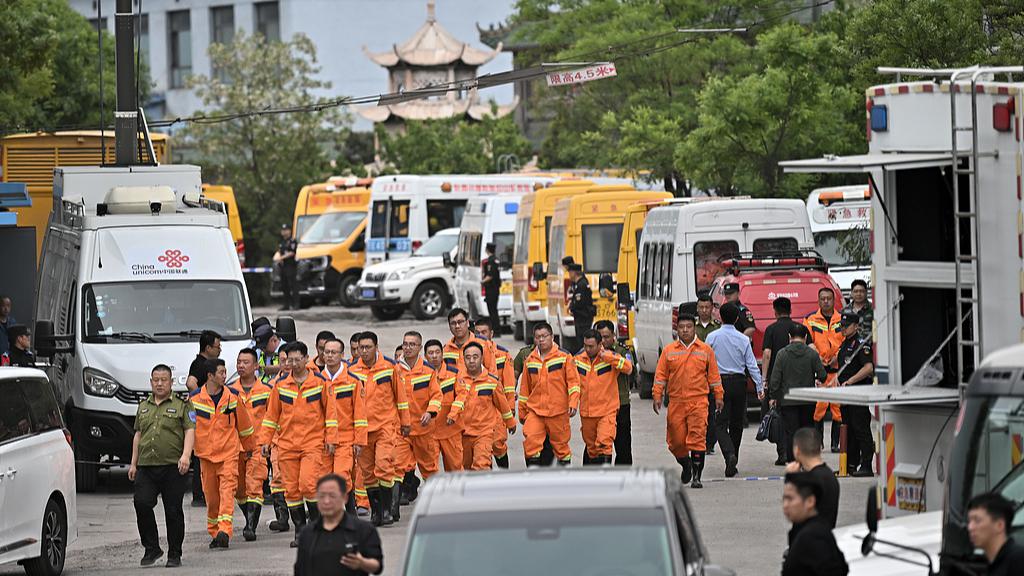
The recent establishment of a State Council investigation team following the gas explosion at the Liushenyu coal mine in Qinyuan County is a sobering reminder of the volatility inherent in energy extraction and the critical nature of industrial safety management. When a gas explosion occurs—especially one resulting in significant casualties—it mandates a rigorous, forensic audit of the facility’s operating standards. As reported by the People's Daily, the mobilization of cross-departmental authorities, including the Ministry of Emergency Management and the National Mine Safety Administration, highlights the government’s commitment to isolating the root cause and preventing future systemic failures in high-risk industrial environments.
From a technical perspective, mining operations in high-gas-content strata require stringent adherence to real-time monitoring and ventilation standards. Gas concentration thresholds must be maintained at extremely low percentages, often requiring a complex network of sensors to manage pressure, temperature, and atmospheric composition. A breach of these safety parameters, even by a small margin, can lead to explosive atmospheres if the methane-to-oxygen ratio falls within the critical range. The investigation will undoubtedly focus on the precision and accuracy of these automated safety systems, the reliability of methane drainage protocols, and whether the mine’s current safety management system meets the modern regulatory standards required for operation at such depths and pressures.
Beyond immediate incident response, the economic and operational implications for the industry are substantial. Increased safety enforcement typically results in higher operational costs due to the necessity for more frequent inspections, equipment upgrades, and improved worker training protocols. However, these investments are essential to reduce the frequency and intensity of industrial accidents, which ultimately safeguard both human life and asset integrity. For stakeholders in the energy sector, the focus must now shift toward accelerating the integration of "intelligent mine" technologies—automated emergency shutdowns, remote-operated extraction equipment, and AI-driven predictive maintenance—that can monitor environmental variables with much higher accuracy than traditional methods. By leveraging high-density data analytics to predict gas buildup and structural instability, firms can move from a reactive safety model to a proactive one, effectively reducing the probability of human error and minimizing the variance in safety performance across the supply chain. Ultimately, the priority remains clear: aligning industrial output with the highest possible standards of compliance and worker protection.
News source: https://peoplesdaily.pdnews.cn/china/er/30052249935?recommd=1&traceId=selfhold&traceInfo=1&sceneId=